

Eye Health
Craftsmanship
Choosing the Right Eyeglass Lenses: What No One Really Tells You
Published on 21 January 2026

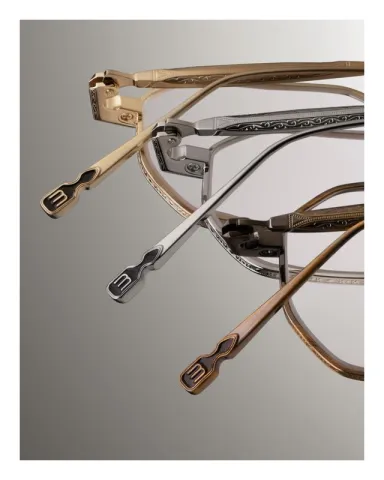
A frame catches the eye.
Lenses, however, change the way you see the world.
When choosing a new pair of glasses, most people naturally focus on style first. Yet true visual comfort lies elsewhere: in the quality of the lenses, their precision, and how well they adapt to your daily life.
So how do you choose the right lenses? And what truly makes the difference between one optical lens and another?
Not All Lenses Are Created Equal
At first glance, two lenses may look identical.
In reality, their design, manufacturing process, and surface treatments have a direct impact on:
- the sharpness of your vision
- eye strain at the end of the day
- peripheral vision quality
- comfort while reading, working on screens, or driving
A good lens should not draw attention to itself.
It should simply disappear.

Optical Precision: A Key Criterion
High-quality lenses are defined first and foremost by optical precision.
This means:
- clear vision at the center and edges
- smooth transitions between correction zones (especially for progressive lenses)
- visual stability, without blur or tension
This level of precision depends on the technology used to design the lens, as well as the rigor of its manufacturing process.
This is where the expertise of the lens maker truly matters.
Your Lifestyle Should Guide Your Lens Choice
There is no such thing as a “universal” lens.
There is only the right lens for your lifestyle.
A well-considered choice takes into account:
- time spent in front of screens
- daytime and nighttime driving
- prolonged reading
- frequent travel
- sensitivity to light
Well-designed lenses should support your movements—not restrict them.
Japanese Precision at the Service of Vision
Some optical houses have made precision their signature.
Nikon is one of them, with globally recognized expertise in optical engineering.
For over a century, Nikon has developed technologies dedicated to visual accuracy, rooted in a distinctly Japanese philosophy: rigor, consistency, and attention to detail.
Applied to ophthalmic lenses, this approach results in:
- stable, natural vision
- noticeably reduced visual fatigue
- high-quality perception, even in peripheral vision
French Manufacturing as a Guarantee of Quality
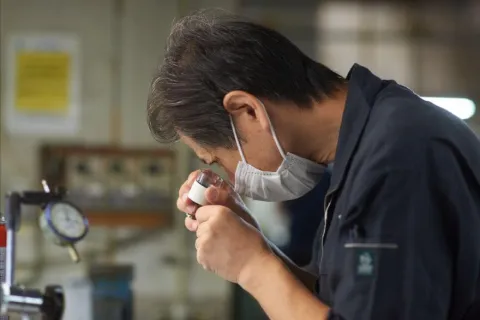
The lenses we offer are manufactured in France, at Nikon’s facility in Provins.
This local production ensures:
- strict quality control at every stage
- consistent performance
- long-term reliability
It represents the meeting point of Japanese optical engineering and French industrial expertise—serving lasting visual comfort.

The Essential Role of the Optician
Even the best lenses in the world will not deliver full satisfaction without:
- precise centration
- accurate frame adjustment
- clear explanations of available options
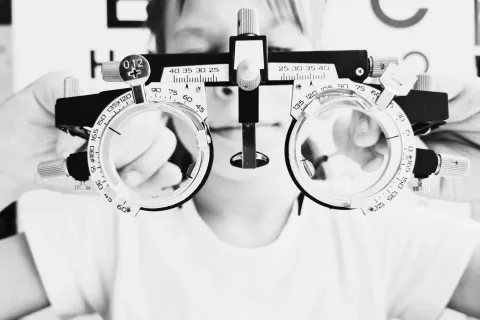
At Paris Miki, lens selection is always based on in-depth consultation.
We take the time to understand your habits, expectations, and visual needs.
Because seeing well is not just about correcting vision.
It’s about improving everyday life.
In Summary
Choosing the right lenses means choosing:
- greater visual comfort
- less eye strain
- a better quality of life
High-quality lenses are a discreet yet essential investment—
one that allows you to forget you are even wearing glasses.
📍 Our opticians welcome you at Paris Miki Opéra to help you select lenses tailored to your vision, your frame, and your daily routine.